
Boundaries as Self-Care: Why Saying “No” Can Be a Powerful Yes to Your Mental Health
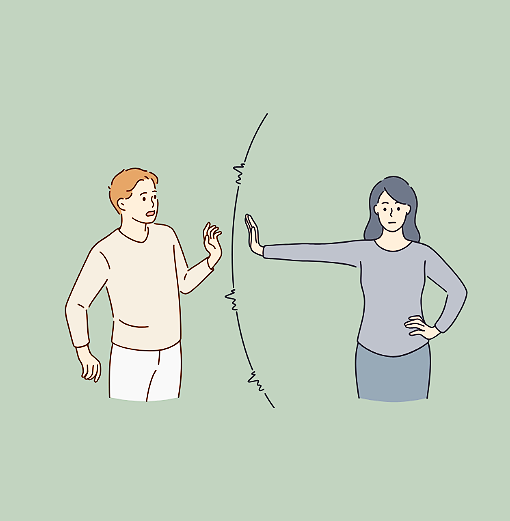
How often do you say “yes” when you really mean “no”? How often do you feel drained or overwhelmed because you’ve stretched yourself too thin to avoid disappointing others? If this feels familiar, you’re not alone. Many people have been conditioned to prioritize others’ needs over their own. But boundary-setting isn’t selfish, it’s one of the most important forms of self-care and emotional well-being.
Why Boundaries Matter
Boundaries are the emotional, physical, mental, and relational limits we set to protect our well-being (Thompson et al., 2022). They define what we will or will not accept, what aligns with our values, and what helps us feel safe and respected. These can include time (declining overcommitment), emotional energy (not taking on others’ distress), or values (opting out of situations that feel harmful) (Thompson et al., 2022). When we don’t set clear boundaries, we often experience resentment, burnout, and low self-worth. In fact, research shows that people with unclear or blurry mental boundaries report lower self-esteem and receive less social support, while those with healthy boundaries tend to feel more secure and resilient (Mathe & Kelly, 2023).
Why It Can Be So Difficult
For many, difficulty setting boundaries stems from early experiences. If saying “no” was met with punishment, withdrawal, or guilt during childhood, it may now feel unsafe or wrong. Others may have learned to people-please to keep relationships intact or avoid conflict. Research by He (2022) highlights that when people’s personal boundaries are unclear or consistently overlooked, it can increase social anxiety and reduce trust in relationships. This highlights how personal, cultural, and relational histories all shape our ability to set and uphold boundaries.
Boundaries in Relationships
Healthy relationships require healthy boundaries. Many relationship struggles, whether romantic, familial, or professional, stem from unmet needs, blurred expectations, or a fear of asserting oneself. Boundaries help clarify roles, build mutual respect, and interrupt dynamics that lead to burnout, emotional depletion, or resentment. Whether it’s expressing a need for alone time, disagreeing respectfully, or refusing to engage in cycles of guilt or caretaking, setting boundaries is foundational to healthy, reciprocal relationships (Mathe & Kelly, 2023).
Not One-Size-Fits-All
There’s no rulebook when it comes to boundaries, what works for one person might not work for another. Cultural background, trauma history, neurodivergence, and life stage all influence how boundaries are expressed and received (Thompson et al., 2022). For example, someone raised in a collectivist household may feel caught between loyalty to family and their own emotional needs. A neurodivergent person may require different boundaries around sensory input or communication. Therapy can help you explore your history with boundaries and create strategies that align with your context, values, and needs. At Vaughan Counselling & Psychotherapy, clients receive personalized, trauma-informed support to navigate these complexities.
How to Start Practicing Boundaries
If you’re new to setting boundaries, here are a few gentle ways to begin:
· Identify your needs: Reflect on what feels energizing vs. draining in your relationships.
· Start small: Choose a low-stakes situation to practice saying “no” or asking for what you need.
· Tune into your emotions: Feelings like guilt, resentment, or anxiety often signal crossed boundaries.
· Use clear language: “I need some time alone tonight” is clearer than “I’m just tired.”
· Expect discomfort: Boundaries may feel unfamiliar at first, especially if others are used to you always accommodating them.
Boundaries Are Not Walls
Boundaries are often misunderstood as barriers that push people away. In truth, they invite more genuine connection. When you express your limits openly, others know how to respect and relate to you more authentically. They also help you show up without resentment, more present, grounded, and clear. Each time you set a boundary, you’re affirming your self-worth. You’re saying: “My needs matter, too.” Whether that looks like asking for space during conflict, saying no to unpaid labour, or stepping back from a relationship that no longer feels safe, these are not acts of disconnection, but of deep alignment with your values and emotional safety.
References
He, X. (2022). Relationship between self-esteem, interpersonal trust, and social anxiety of college students. Occupational Therapy International, 1–6. https://doi.org/10.1155/2022/8088754
Mathe, J. R., & Kelly, W. E. (2023). Mental boundaries: Relationship with self-esteem and social support: New findings for mental boundaries research. Imagination, Cognition and Personality, 43(1), 29–41. https://doi.org/10.1177/02762366231158274
Thompson, K. D., Singletary, Z. T., Morse, T. A., & Morris, A. L. (2022). Boundaries, self-care, and empathy: Building an empathic teaching survival kit. Composition Studies, 50(2), 34–52.
