
After-School Restraint Collapse
After-School Restraint Collapse
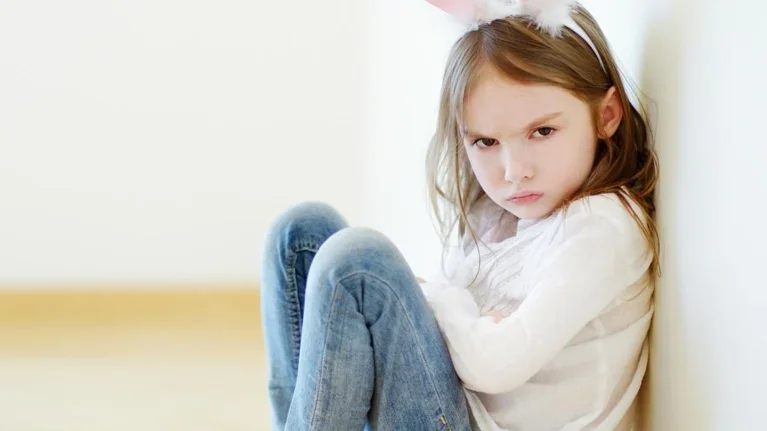
Many parents may feel confused once their child gets home from school. A child who had been calm, helpful, and well-behaved all day could suddenly become upset, angry, or overwhelmed as soon as they walked into the room. Some kids act out against their siblings, cry over little things, or are very sensitive. This sudden transformation can be hard for caregivers to understand. Why does the child seem to "fall apart" at home while they did well at school?
People often refer to this as "after-school restraint collapse", which is a way to describe the emotional release that can happen when children have been suppressing their feelings and managing their expectations all day in a regulated setting (Housman, 2017). The term is often used in parenting discussions, but it's less common in academic writing. However, research on emotional regulation and child development shows that there are significant psychological reasons for it (Eberhart et al., 2024).
During the school day, children are expected to manage many different things. They need to sit still, pay attention in class, follow instructions, do their homework, and build friendships. To do all of these things, children need to control their feelings and actions. Self-regulation includes controlling impulses, focusing, and acting appropriately based on social and environmental rules. These skills are closely related to executive functions, such as working memory, cognitive flexibility, and inhibitory control (Eberhart et al., 2024).
For many kids, it takes a lot of mental effort to keep this level of control for a long time. Even children who seem calm and well-behaved in school might be hiding their true feelings. By the end of the school day, they may not be able to hide their emotions anymore. As a result, when they get home, they might cry, get angry, or show other signs of frustration because of the stress
they felt during the day. One of the main reasons these emotions occur so frequently at home is because it is a psychologically secure setting. Children may feel that they must behave appropriately in front of their teachers and friends at school. They would conceal their anger, fear, or disappointment to prevent negative outcomes or social humiliation. When they return home and are with caregivers they can rely on, they may feel secure enough to let go of those emotions (Housman, 2017).
So, emotional outbursts that happen after school don't always mean that someone is acting badly. They can also show that a child is comfortable enough to talk about how they really feel. Kids often look to the emotional safety of their homes to help them deal with the stress of the day (Eberhart et al., 2024).
Physical factors might also contribute to the ineffectiveness of after-school restraint. After a long day in a busy classroom, many children come home feeling tired, hungry, or overstimulated. It's well-known that children experiencing hunger or fatigue can have a harder time controlling their emotions and dealing with unhappiness. As a result, small problems, like being asked about chores or homework, could easily make them upset.
Research on emotional development shows that co-regulation is very important for helping children deal with difficult situations. Co-regulation happens when parents and other adults help children understand and manage their emotions in a calm way. As a result, children learn to control their own emotional reactions over time through regular, positive interactions (Housman, 2017). When caregivers respond with empathy instead of punishment, kids are more likely to learn how to deal with their problems in a healthy way (Housman, 2017).
If caregivers know more about after-school restraint meltdown, they can handle it better. One good way to help children is to give them some time to relax after school. Instead of asking children about their homework or what happened during the day right away, giving them some quiet or unstructured time could help them feel better. Playing outside, painting, listening to music, or just relaxing can all help you feel better and reduce your stress (Eberhart et al., 2024).
Taking care of kids' fundamental needs is another important step. Giving someone a snack, encouraging them to drink water, and giving them time to rest can all help them control their emotions. Many children only need a pause to recharge before they can join in on discussions or jobs without getting upset. Setting up regular after-school routines can also make it simpler to go from school to home. When kids know what to expect, they feel less stressed and unsure. For example, a timetable that includes homework, free time, and a snack could help you stay organized while still giving you time to recuperate emotionally (Housman, 2017).
Finally, parents may aid their kids by letting them know they care about them. Simple things like "It sounds like you had a really long day" or "I can see that you're feeling overwhelmed right now" can help kids feel understood. Through these strong moments of emotional affirmation, kids learn that their feelings are heard and appreciated. Kids that obtain this help end up being more resilient and conscious of their feelings (Housman, 2017).
After-school restraint collapse shows how much kids need emotionally and cognitively during the school day. These feelings are often a normal response to long hours of work and stress, even if they may seem too much for both kids and adults to handle. Caregivers can show patience and empathy by understanding the effects of emotional exhaustion and the ability to regulate (Housman, 2017; Eberhart et al., 2024). You don't have to get rid of all your feelings to
help kids through this change. Instead, it means making a place where kids can learn to control their feelings while feeling safe, understood, and supported. With patience, sensitivity, and ongoing coaching, kids can learn how to control their emotions better, which will help them feel more comfortable at home and at school.
