
Avoidant Personality Disorder: Fear of Rejection and Withdrawal in the Workplace
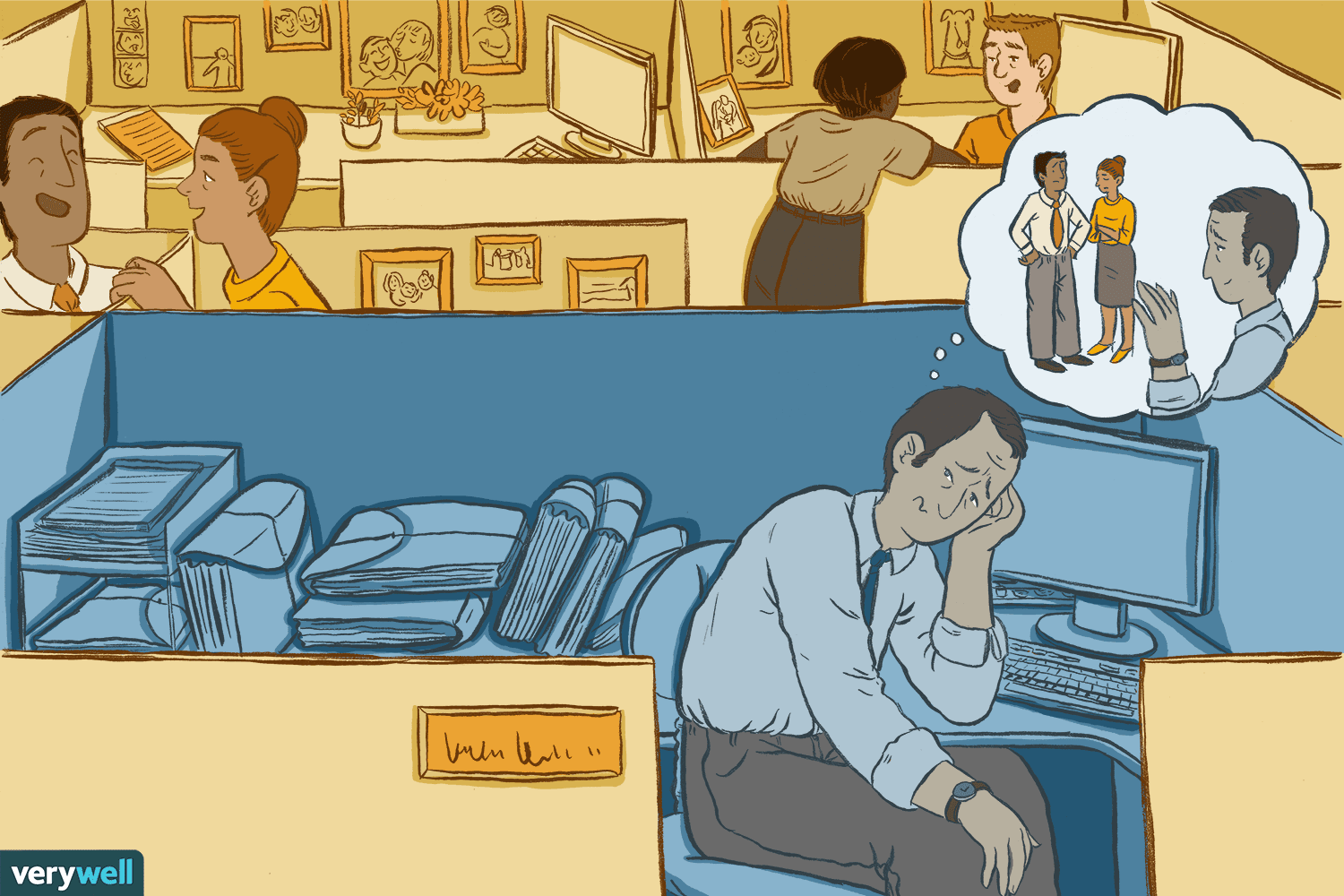
Avoidant Personality Disorder (AvPD) is a long-term mental health problem that can have a big impact on how well someone can work and maintain relationships with others. AvPD is mostly about being very socially inhibited, feeling very inadequate, and being very sensitive to criticism or rejection. These patterns can have a large impact on career growth and engagement at work without anyone noticing. AvPD is not just being shy in social situations; it is a pattern of avoiding people because of a deep fear of being judged, rejected, or criticized (Lampe et al., 2018; Kvarstein et al., 2021).
What Is Avoidant Personality Disorder?
AvPD is classified as a Cluster C personality disorder and is characterized by chronic social inhibition, low self-worth, and avoidance of interpersonal contact due to fear of rejection. Long-term clinical research shows that these traits are strongly linked to ongoing difficulties in both social and occupational functioning (Kvarstein et al., 2021).
People with AvPD often carry deeply internalized beliefs that they are flawed, inadequate, or unlikable. Because of this, they tend to avoid situations where they might be evaluated or exposed to potential criticism (Lampe et al., 2018). This avoidance becomes a protective strategy that negatively ultimately limits growth and connection.
Although AvPD shares similarities with social anxiety disorder (SAD), the two are not identical. Both involve fear in social situations, but AvPD reflects a broader and more entrenched personality pattern. It includes long-standing low self-esteem and consistent withdrawal across many areas of life (Lampe et al., 2018; Eikenaes et al., 2013). Importantly, individuals with AvPD often avoid nearly all interpersonal situations unless they feel almost certain they will be accepted.
Workplace Challenges and Withdrawal
In today's workplaces, people need to interact with each other often for things like team work, presentations, performance reviews, networking, and feedback. For someone with AvPD, these normal expectations can be too much to handle. Situations that involve evaluation or being seen can make people very afraid of being rejected or embarrassed. Consequently, individuals with AvPD may evade meetings, reject leadership positions, hesitate to voice their opinions, or decline promotions that necessitate heightened interaction (Kvarstein et al., 2021). Avoidance lessens anxiety in the short term. But in the long run, it stops career growth and makes people feel even more inadequate.
The Work and Social Adjustment Scale has been used in research to show that people with AvPD have a lot more trouble at work than the average person. Higher levels of occupational inactivity are associated with greater social dysfunction at the outset. Workplace problems often stay the same even when there is some improvement (Kvarstein et al., 2021). Withdrawal in the workplace is not merely a symptom; it signifies a more extensive pattern of functional impairment.
The Central Role of Fear of Rejection
Fear of rejection lies at the heart of AvPD and drives much of the workplace withdrawal seen in this population. Individuals may avoid situations where negative evaluation might occur when the risk is minimal. This pattern is shaped by deeply rooted cognitive schemas that interpret neutral or ambiguous feedback as personal failure (Lampe et al., 2018). For example, someone with AvPD might avoid job interviews, networking events, performance reviews, or collaborative projects because of the possibility of criticism. Even constructive feedback may be perceived as confirmation of inadequacy. This avoidance becomes reinforcing. Stepping away from social and professional opportunities results in individuals losing chances to face their fears or build confidence. Over time, avoidance strengthens beliefs of personal inadequacy, creating a cycle that further limits career development and engagement.
Broader Impacts on Career and Well-Being
The long-term effects of not going to work can last a lifetime. If you keep avoiding things, you might make less money, not be able to move up in your career, be unemployed, or be underemployed. Occupational disengagement can lead to social isolation, a lower quality of life, and a higher risk of other mental health problems, in addition to its financial effects.
It's also common for people to have more than one illness at the same time. People with AvPD often have anxiety and depression, which makes it even harder for them to work. People with AvPD often have more severe psychosocial problems than people with social anxiety disorder alone. These problems can include more severe self-esteem issues and relationship problems that affect their work as well (Eikenaes et al., 2013). These overlapping problems can make withdrawal worse and lower overall job satisfaction.
Interventions and Workplace Support
Psychotherapy is the main way to treat AvPD including methods that address maladaptive beliefs and avoidance patterns. Cognitive-behavioral techniques can assist individuals in confronting fear-driven beliefs regarding rejection and progressively enhance their exposure to social and professional contexts. Studies show that over time, better self-esteem and social skills can lead to more productive work (Lampe et al., 2018). The places where you work are also important. Places that have a clear structure, fair and helpful feedback, and less harsh criticism can help reduce triggers that make people feel rejected. Employers and supervisors who are educated on mental health can help make the workplace safer and more welcoming.
Conclusion
Avoidant Personality Disorder is a serious condition that many people don't understand and that has a big impact on how well someone can do their job. Fear of rejection can lead to patterns of withdrawal that can affect career growth, make you feel worse about yourself, and cause long-term problems at work (Kvarstein et al., 2021; Lampe et al., 2018; Eikenaes et al., 2013). By acknowledging the role of rejection and working through it with specialized therapy and encouraging workplace practices, individuals with AvPD can move towards fulfilling employment experiences and enhancing overall well-being.
References
Eikenaes, I., Hummelen, B., Abrahamsen, G., Andrea, H., & Wilberg, T. (2013). Personality functioning in patients with avoidant personality disorder and social phobia. Journal of Personality Disorders, 27(6), 746–763. https://doi.org/10.1521/pedi_2013_27_109
Kvarstein, E. H., Antonsen, B. T., Klungsøyr, O., Pedersen, G., & Wilberg, T. (2021). Avoidant personality disorder and social functioning: A longitudinal, observational study investigating predictors of change in a clinical sample. Personality Disorders: Theory, Research, and Treatment, 12(6), 594–605.
Lampe, L., & Malhi, G. S. (2018). Avoidant personality disorder: Current insights. Psychology Research and Behavior Management, 11, 29–46.
