
Managing Burnout and Stress
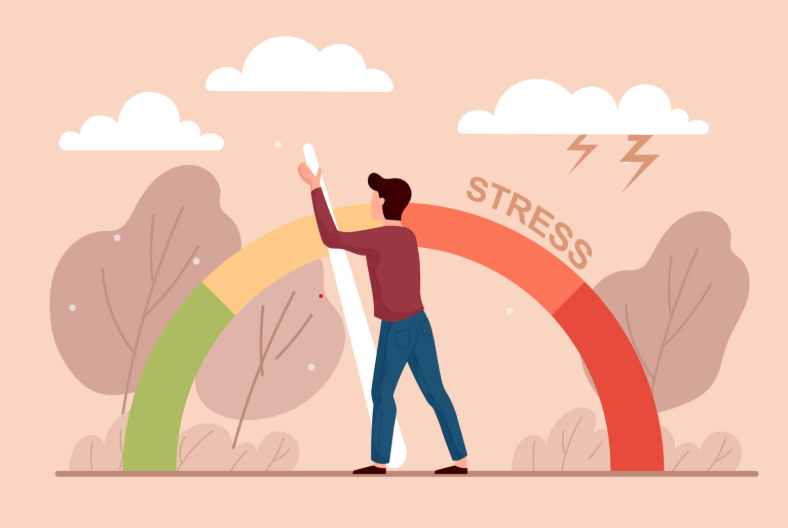
In a world that doesn't often slow down, burnout is becoming more and more common. It's not just being tired after a long week, it's a state of being physically, mentally, and emotionally exhausted all the time due to high levels of stress. Burnout can build up without you even realizing it, whether it's from work, taking care of someone, school stress, or even your own expectations.
Burnout typically shows up in three main ways which include brain fog, feelings of detachment from reality, and a feeling towards a lack of accomplishment. You might feel persistent exhaustion, even after you sleep through the night. Things that used to be easy to do may now seem pointless or annoying. Over time, this can lead to less productivity, more irritability, and even intense headaches or sleep disturbances.
The onset of burnout can be problematic because it isn’t always obvious to detect. It can come on slowly, which makes it easy to ignore early warning signs. Many times, people continue with their busy schedules because they think they just need to work harder or stay focused. This method inadvertently makes the problem worse instead of better.
The first step to dealing with burnout is to understand it. Step two requires you to establish plans that will help you improve and stay healthy in the long term. Setting limits is a priority in dealing with stress. Many people who are burnt out have trouble saying no because they feel like they have to meet expectations or not let others down. However, it's easy to get overwhelmed when there aren't clear limits and boundaries. Determine what is taking the most energy from you and look for ways to realistically minimize your workload. This could mean declining extra work, defining stricter work hours, or setting time aside for yourself without interruptions.
Rest and quiet moments are just as important. Scrolling through your phone or watching TV are examples of passive activities that can temporarily take your mind off things, but they don't always give you more energy. Purposeful rest is the most effective. This includes things that prioritize your ability to recharge, like spending time outdoors, picking up a hobby, or just letting yourself be still without any distractions. It's also important to get enough sleep. Without it, recovery is much harder.
Reconnecting with purpose is another powerful tool. When people are burned out, they often lose purpose in everyday activities and choices. Thinking about what matters to you can help you rediscover your purpose. This doesn't necessarily mean you have to make big changes to your life. Making small changes, like ensuring your tasks coincide with your values or celebrating small wins, can sometimes make a big difference.
Social support is also very important for recovery. When you're experiencing burn-out, it can feel like you're all alone, but talking to other people can provide support. You might need to seek comfort from a trusted friend, join a supportive community, or get professional help. Therapy or counselling can help you find patterns that are causing problems and come up with better ways to deal with them. At VCP, we aim to provide effective coping strategies to mitigate burn out and maintain a healthy, balanced schedule long term.
Mindfulness, deep breathing, and journaling are some techniques that can help you control your feelings and find peace. Another good way to release tension is to be active. Something as simple as a short walk can make you feel better and lower your stress levels.
It is also important to think about what you expect from yourself. A lot of people who are burned out set very high standards for themselves. While ambition can be a strength and admirable, perfectionism often leads to constant dissatisfaction and pressure. Accepting "good enough" in some areas can help you deal with a lot of stress. Self-compassion is also very pivotal in changing one’s mindset towards their own achievements. Prioritize grace and kindness unto yourself the same way you would show to someone else.
People who work in tough places may need to make structural changes. If you're burned out mostly because of work, it might be a good idea to talk to your boss about your workload or expectations. Sometimes, the best thing to do for your health is to change your job or even your career. These choices may seem hard, but staying in a situation that drains you all the time can have long-term effects.It takes time to get over burnout. It takes time to get your energy back and find balance. What matters is making habits that will help you stay healthy over time rather than relying on short-term fixes. Being aware of things all the time is the best way to avoid burnout in the future. Checking in with yourself on a regular basis can help you spot problems before they get worse.
Overall, burn-out is not a sign of weakness, it is a sign that something needs to change. Build a healthier, more balanced way of living by paying attention to the signals and responding with care. The goal isn't to get rid of all stress, but to create a life where stress is balanced with rest, purpose, and support.
