
When Chronic Pain and Mental Health Intertwine
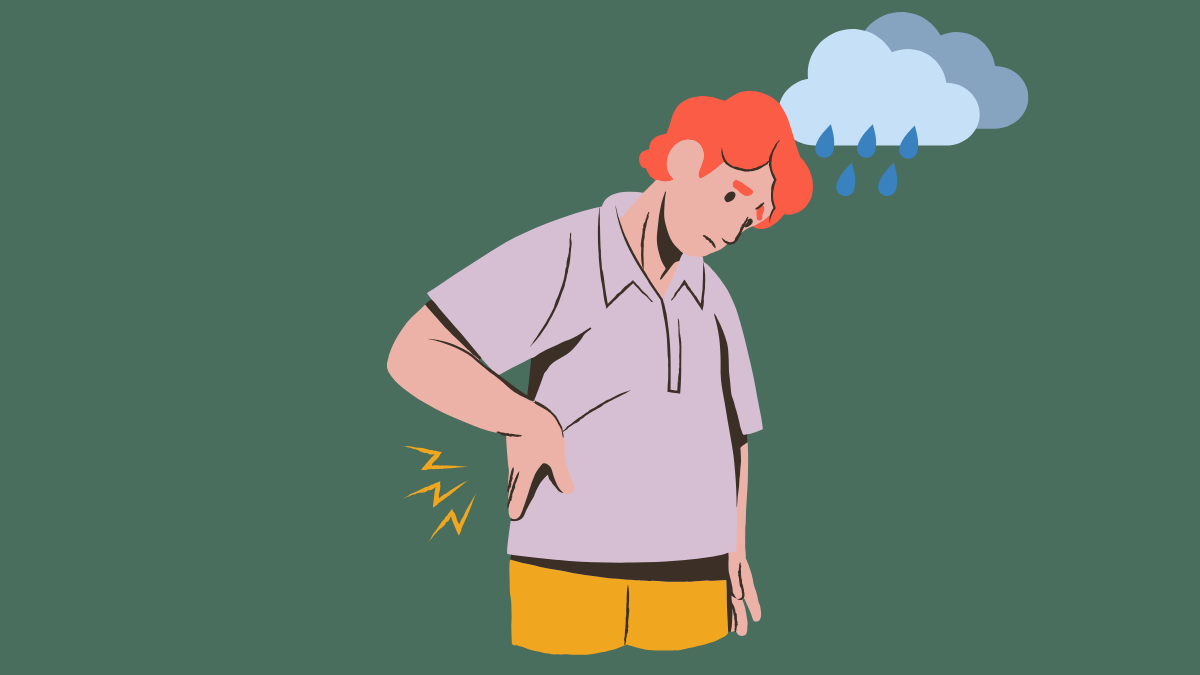
Fibromyalgia is usually talked about as a condition involving constant, widespread pain but for a lot of people, that’s only part of what it feels like to live with it. There’s also the fatigue, the brain fog, the poor sleep, and a real impact on mental health that doesn’t always get acknowledged. At its core, fibromyalgia affects how the brain and nervous system process pain, which means the body can feel sore and exhausted almost all the time. But it’s not just physical; over time it starts to affect your mood, your energy, your relationships, and how you get through the day.
Mental health struggles are actually really common for people with fibromyalgia. A meta-analysis found that about 50% of individuals experience depression and nearly 47% experience anxiety (Jafari et al., 2026). Fibromyalgia affects both the body and the mind and is not just a physical condition.
Part of what’s going on has to do with how chronic pain affects the nervous system over time. When your body is in constant pain it can start to become more sensitive to it so that even the small things which wouldn’t normally hurt, may begin to feel more painful. Living with that every day can wear you down emotionally, leading to feelings of irritability, low mood, or burn out (Jafari et al., 2026).
Anxiety and depression can really amplify the physical side of fibromyalgia. When you’re anxious, your body tends to hold more tension, which can make the pain feel more intense. Depression can make it harder to stay connected to the things that might actually help, like moving your body a bit, being around people, or even basic self-care. When you’re already feeling drained, even small things can feel overwhelming. It can turn into a cycle quickly where the pain starts to affect your mental health, and your mental health ends up making the pain feel worse (Rahangdale & Ferraro, 2025).
Fibromyalgia also has an emotional impact on individuals that people don’t always see. Since it’s not a visible condition, it’s common for people to feel misunderstood or dismissed. Hearing “you don’t look sick” can be very invalidating. Over time this can lead to isolating oneself or even questioning your own experience. That kind of self-doubt can make anxiety and depression even heavier (Rahangdale & Ferraro, 2025).
Another challenging aspect of this is the unpredictability of it. Some days may seem more manageable whereas other days just feel too overwhelming. This change can often occur without warning or reason which makes it difficult to plan ahead or stick to commitments. It can impact work, relationships, and everyday life, while often triggering feelings of guilt. That sense of uncertainty is stressful in itself, and can end up exacerbating both the pain and emotional symptoms (Jafari et al., 2026).
Sleep is a big factor too. A lot of people with fibromyalgia don’t feel rested, even after a full night in bed. When you’re constantly tired, everything feels harder; your mood, your patience, your ability to cope. Poor sleep can also increase sensitivity to pain (Jafari et al., 2026).
For some, fibromyalgia may also be related to a history of chronic stress or trauma. This is not true for everyone, but research has found that chronic stress can affect the nervous system in ways that may increase the chances of developing chronic pain and mental health problems (Rahangdale & Ferraro, 2025). That doesn’t mean the condition is “in your head”, it just shows how closely the mind and body are connected.
In terms of what helps, one of the biggest shifts is recognizing that fibromyalgia isn’t just physical. Approaches that support mental and physical health tend to be the most useful. Cognitive behavioral therapy (CBT), for example, can help people manage how they respond to pain and build better coping strategies (Jafari et al., 2026). It doesn’t take the pain away, but it can make it feel more manageable.
Feeling understood also matters more than people sometimes realize. When someone feels validated, whether that’s by a therapist, a doctor, or even just someone close to them, it can ease some of the isolation that comes with the condition.
Self-compassion is another important piece. A lot of people with fibromyalgia are really hard on themselves because they can’t do what they used to, or what they think they “should” be able to do. Learning to be a bit gentler with yourself can take some of that pressure off and make space for rest without guilt.
Then, there are the small, everyday things like pacing your energy, making time for rest, and keeping some kind of routine. They might not seem like much, but over time they can make things feel a bit more stable and manageable, both physically and emotionally.
References
Jafari, M., Zadgari, E., Amouzadeh-Lichahi, M., Vesali-Moghaddam, A., Amirian, B., Kazemian, N., Mosavi-Mirkalaie, S. M., Reyhani, H., Saeedi, C., Ghavidel-Parsa, B., & Hassanipour, S. (2026). The global prevalence of depression and anxiety among fibromyalgia patients: A systematic review and meta-analysis. Journal of Affective Disorders, 393, 120340. https://doi.org/10.1016/j.jad.2025.120340 Rahangdale, A., & Ferraro, J. (2025). Assessing comorbid PTSD, depression, and anxiety in fibromyalgia patients: A retrospective observational study. BMC Psychiatry, 25, 444. https://doi.org/10.1186/s12888-025-06708-4
