
Relational Wounds
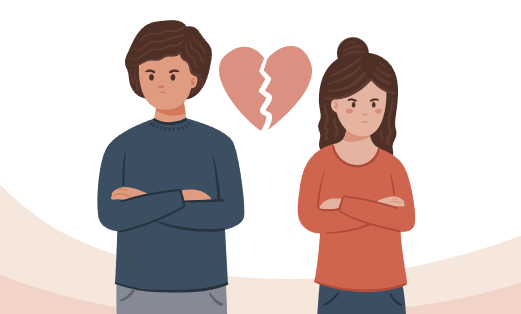
Have you or someone you know, experienced infidelity in marriage? Have they since thought, am I not good enough? Am I not attractive enough? Or perhaps you had an affair and experienced extreme guilt and shame. Infidelity can lead to emotional dysregulation for victims and perpetrators of these behaviors and exacerbates feelings of rage, insecurity, shame, guilt, jealousy, and sadness. (Rokach & Chan, 2023). Depressive symptoms are also common for victims of affairs revealing women are 6 times more likely to be diagnosed with depression after their partner has an affair (Rokach & Chan, 2023). Affairs can lead to marital breakdowns, insecurities within the relationship, and generally leads to unhappiness, so then why do people cheat? If it causes such damage to the relationship, why do people cheat? There are a variety of reasons that cause people to cheat. The research shows that it's motivated by neglect, anger, and incompatible sexual desire (Selterman et al, 2019). These are all causes that are often not directly addressed in relationships, and can lead to dissatisfaction and affairs in the relationship. However, whatever the cause there is still damage to the relationship and this is problematic as it can impact self esteem, self worth and can impact the way a person perceives future relationships. Some may argue this is absolutely a form of trauma and thus has negative consequences on individuals brains. What may result from unfaithfulness may result in cognitive distortions, which are inaccurate interpretations of thinking that cause an individual to have an altered sense of reality. Cognitive distortions often surface due to trauma and past experience. One example that can surface due to affairs may be overgeneralization. This is the brain's way of making sense of the trauma of being cheated on. For example, you may start to think, if this type of person can cheat, maybe all men who are extraverted are cheaters. Another example of a cognitive distortion could be fortune telling, which can be detrimental for someone who has experienced infidelity in their past partner, but is now in a new and healthy relationship. Fortune telling consists of assuming that because of past experiences and the order of which things happened, things will definitely happen in the same way again. Asvadi et al. (2022) revealed that CBT or cognitive behavioral therapy and EFT or emotion focused therapy were effective in helping the marital relationship which can improve couples relationships after infidelity. These are both offered at our clinic and can help with improving communication, and focusing on the problems related to the issue. In general every couple wishes for success in their marriage prior to getting married. No one really gets married to get divorced, or be perpetually unhappy. Choudary et al (2024) identified a few factors which are the drivers of marital success in relationships. First of all, there should be an agreement between the partners on the meaning of marriage, and what it means to each of them, prior to getting married. For example, some partners may expect more traditional gender roles whereas others may not. Second, there must be shared involvement in family life, where both partners take responsibility to nurture children or take on household responsibilities. Third, there must be a marital contentment and necessity of continuing the relationship. In other words, there must be reasons to keep the relationship going, which must outweigh the reasons to discontinue the relationship. For example, in some cultures divorce is prohibited despite unhappiness, if this is a common cultural norm between partners there will be more motive toward conflict resolution. Lastly, emotional communication must be established between partners. Naturally, there will always be moments of sadness, anger, stress in various moments in life, and comfort in communicating these issues to your partner creates emotional safety and mutual respect. Additionally, when relationships show trust, participation in the marriage, by showing affection and a willingness to listen and communicate there is more success. With all things considered, is there hope after an affair or breach in trust has been created? Sure! Not all relationships are doomed after an affair has happened, however it can cause significant distress for both partners and must be healed within a safe space where both partners can communicate their needs effectively. Are affairs a reason to end a relationship? For sure! There is no obligation to stay with someone after trust has been broken and boundaries have been crossed. In both cases, there is hope for all parties involved. Affairs do not mean you are broken, you are not good enough or you do not deserve love. There is hope for a good future in either case. Speak to one of our couples counselors or seek out individual therapy to begin your healing journey!
References
Asvadi, M., Bakhshipoor, A., & Razavi Tabadeghan, B. Z. (2022). Comparing the effectiveness of emotionally focused couple therapy and cognitive-behavioral couple therapy on forgiveness and marital intimacy of women affected by infidelity in Mashhad. Journal of Community Health Research, 11(4), 277-286.
Choudary, S. S., Khan, M. L., & Atta, N. (2024). Emotional distress, communication patterns and relationship dissatisfaction among married couples. Research Journal for Societal Issues, 6(3), 01-22.
Rokach, A., & Chan, S. H. (2023). Love and infidelity: Causes and consequences. International journal of environmental research and public health, 20(5), 3904.
Selterman, D., Garcia, J. R., & Tsapelas, I. (2019). Motivations for Extradyadic Infidelity Revisited. The Journal of Sex Research, 56(3), 273–286. https://doi.org/10.1080/00224499.2017.1393494
