
Understanding Autism
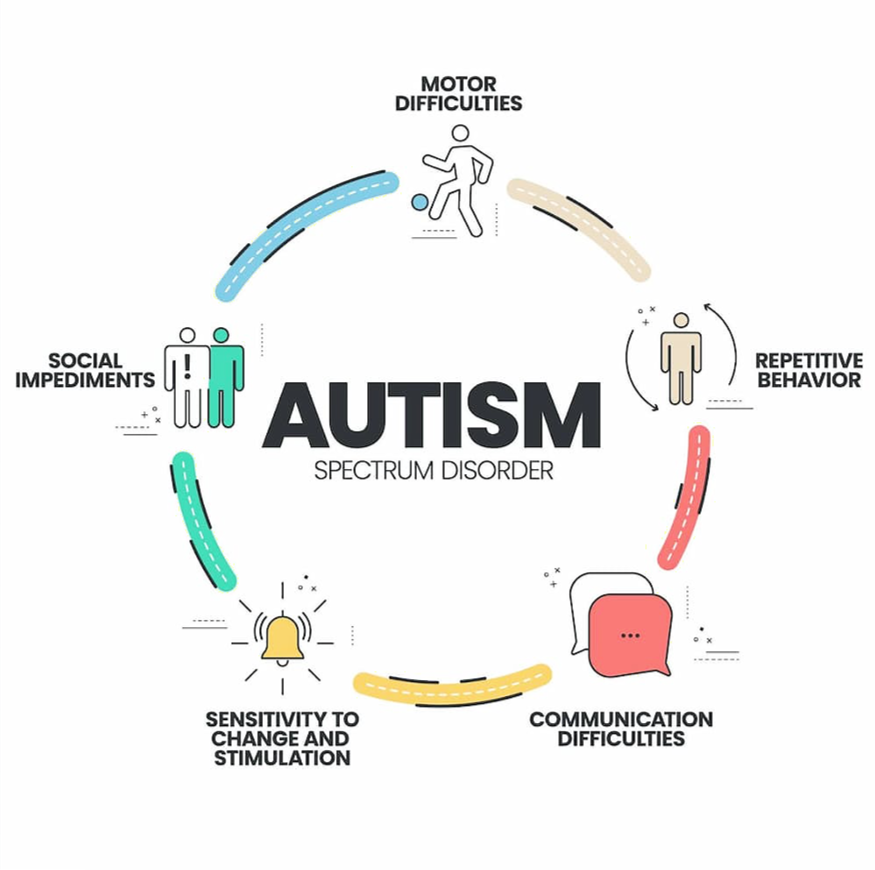
An estimated 1-2 percent of Canada's population is on the autism spectrum. You may know someone who is autistic, have an autistic family member, or be wondering whether you might be autistic yourself. When autistic people are understood, supported, and accepted for who they are, they can thrive and reach their full potential. Learning more about autism can help us understand each other and recognize when support may be helpful.
Autism is a wide spectrum and looks different for everyone. Two autistic people may have very different experiences, which is why it is important to get to know the person rather than make assumptions based on their diagnosis
The word “spectrum” in an autism context refers to the range of experiences and support needs that autistic people can have. It means autism can look very different from person to person. Autistic children and adults may share some characteristics, but they can differ in:
The amount and particular kind of symptoms
Levels of functioning
Challenges with social interactions
Age of onset
Children, teens, and adults with autism have different needs, skills, and abilities. There is no single “type” or “typical” autistic person.
Some people prefer to be referred to as an “autistic person,” while others prefer “person with autism.” If you are unsure, you can ask how they would like to be referred to.
What Is Autism?
Autism, also called autism spectrum disorder (ASD), is a lifelong neurodevelopmental condition that impacts brain development. It can affect how a person communicates, interacts with others, and processes information from their surroundings. Autistic people may also repeat certain behaviours and have a narrow range of activities and interests, often focusing intensely on those interests.
What Can Autism Look Like?
Autism can look very different from person to person, however, the main characteristics include challenges with social communication skills, restricted and repetitive behaviours, and sensory differences. This is seen in both children and adults.
Social Challenges
Difficulty making friends
Feeling uncomfortable in social settings
Minimal eye contact
Prefer direct language
Difficulty understanding what others may be thinking and feeling
Difficulty understanding social cues
Restricted and repetitive behaviours
Preferring to follow the same routine each day
Noticing small details or patterns that others may miss
Having strong and specific interests
Sensory Differences
Being sensitive to sounds, lights, smells, tastes, textures, or touch
Feeling overwhelmed in loud, bright, or busy places
Finding certain clothing textures or foods uncomfortable
Autism and Mental Health
Autistic people can experience anxiety, depression, relationship difficulties, and other mental health concerns. These concerns deserve attention and should not simply be dismissed as part of autism.
Some autistic people feel pressure to hide or adjust their natural behaviours to fit in or avoid judgment, which is known as masking. This may involve forcing eye contact, copying how others speak or act, or hiding repetitive movements. While masking can help people navigate social situations, the ongoing effort can be exhausting and lead to isolation and feeling misunderstood.
How Can Therapy Help?
Therapy can provide a safe space to talk about what is difficult and work towards goals that matter to the person. This might include managing anxiety, understanding emotions, working through relationship concerns, or finding ways to communicate their needs. Cognitive behavioural therapy (CBT) is one approach that helps people understand the connection between their thoughts, emotions and behaviours. Working together, the therapist and client identify patterns that may be contributing to difficulties and practise new ways of thinking and responding to everyday situations.
Another approach used to treat people with autism is Applied Behavioural Analysis (ABA). It incorporates positive reinforcement to encourage helpful behaviours and build skills. When a behaviour is followed by a reward that is meaningful to the person, they are more likely to repeat it. In contrast, unhelpful behaviours that are no longer reinforced may become less frequent over time. Some of our registered psychotherapists (qualifying) who have experience using ABA include Samuel, Leo and Alessia.
If you or someone you care about is looking for support, you are welcome to contact us and book an appointment at our Vaughan, Toronto or Mississauga locations. We can discuss your needs and find an approach that works for you!
